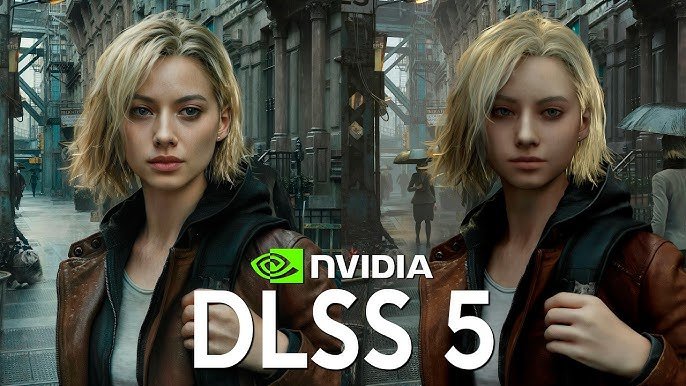
The internet is currently having a collective meltdown over Nvidia DLSS 5. If you glance at Reddit or Twitter, you’d think “Neural Rendering” is about to slap a boring, generic AI filter over every upcoming release. The prevailing fear is that the heavy handed use of AI in game industry pipelines is crossing a line from a performance booster to an aggressive art disaster.
Because this is such a heated topic right now, let’s set the record straight on what we are covering today. In this article, I am going to break down why your fears about DLSS 5 ruining game art are entirely valid, why this tech is actually a miracle for its polar opposite games chasing bleeding-edge photorealism and why the current panic is completely ignoring reality. Let’s start with the ugly truth.
The Bad: Why I’m Keeping It Off for Stylized Games
Protecting the Artist’s Vision
Let me be clear: I do not want Neural Rendering anywhere near cartoon like games or titles with a highly specific, intentionally stylized aesthetic. Many games actively avoid looking realistic by choice, relying on bespoke, hand crafted art directions to create their unique atmospheres. When you inject AI driven lighting and texture generation into a world built on artistic intent, you fundamentally break its visual identity.
The Generative Threat
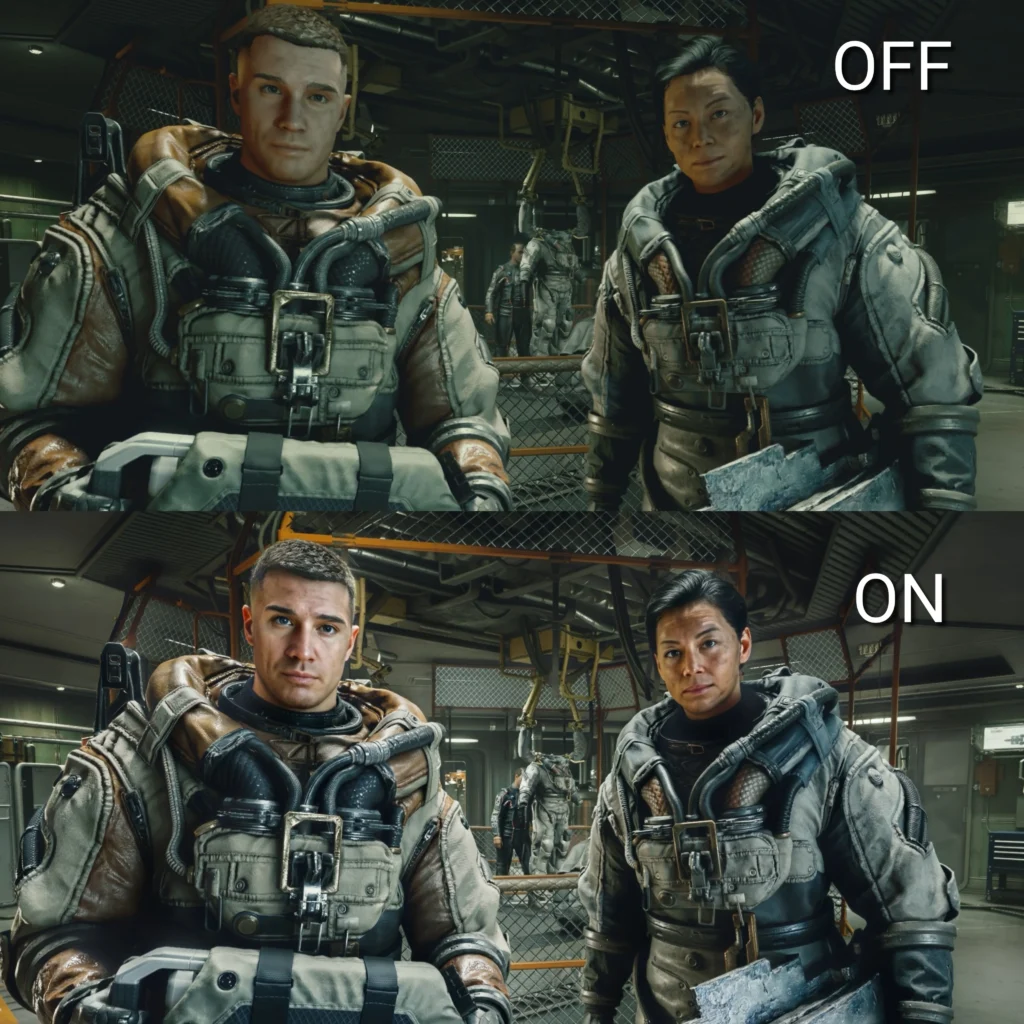
This is exactly where the fear surrounding Nvidia DLSS 5 is completely justified. My wife, who holds a degree in Visual Communication, recently sat down with me to analyze a DLSS 5 demo photo. Her immediate reaction was that it looked exactly like an image generated by Nano Banana technically “correct,” but completely stripped of its unique, human touch. There is a very real danger of beautifully painted textures being paved over by soulless AI lighting. For games that prioritize a specific aesthetic, exploring your Nvidia DLSS 5 options should start and end with leaving this feature turned off.
The Good: A Miracle for the Realism Chasers
Bypassing Engine Bottlenecks
While I hate it for stylized art, we need to acknowledge that traditional rendering engines are hitting a brick wall when it comes to chasing pure realism. Games desperately trying to achieve bleeding edge photorealism think heavy RPGs, cutting edge racing sims, and sprawling survival titles are constantly starved for path tracing budgets. Developers are frequently forced to downgrade their original, highly detailed visions just to get these massive games running at playable framerates.

Achieving the Impossible
This is exactly where exploring your Nvidia DLSS 5 options becomes a literal miracle for hardware-limited studios. Neural Rendering bridges the gap between a developer’s high fidelity aspirations and the harsh reality of our current GPU limitations. By intelligently reconstructing and enhancing lighting on the fly, DLSS 5 allows developers to finally deliver breathtaking, lifelike photorealism without melting our graphics cards into slag.
The Reality Check: The Power of the ‘Off’ Switch
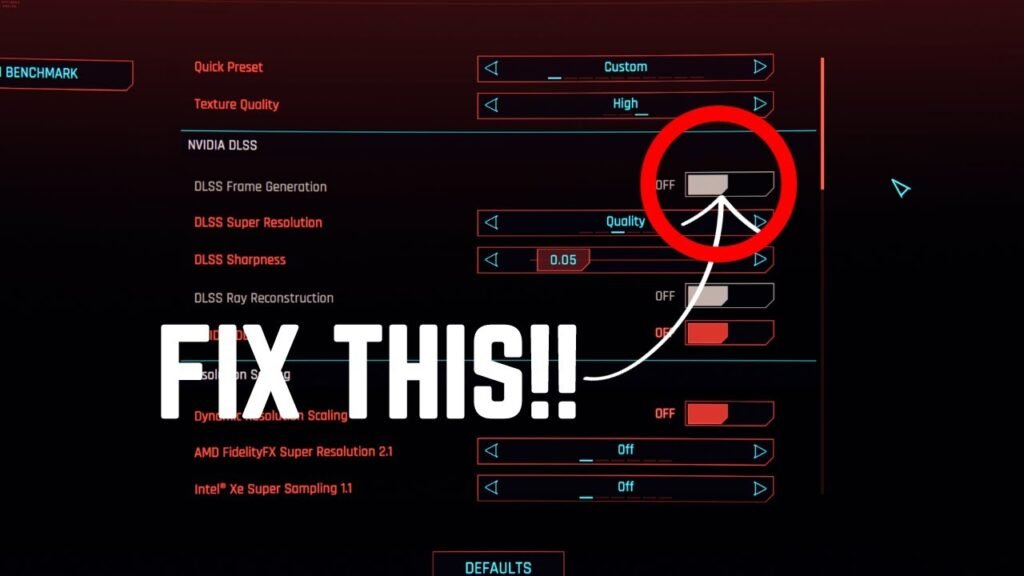
Amidst all the doom scrolling about the AI in game industry takeover, everyone seems to be forgetting one crucial detail, Nvidia is not permanently hardcoding Neural Rendering into the DNA of your favorite games. It is simply an algorithmic tool, and like any other graphical setting, it is entirely optional. The punchline to this entire internet panic is that the ultimate control remains exactly where it always has with the player. If you boot up a visually unique game and Nvidia DLSS 5 makes it look like a homogenized, AI generated mess, you have a very simple solution. Just open your display settings menu and turn it off.