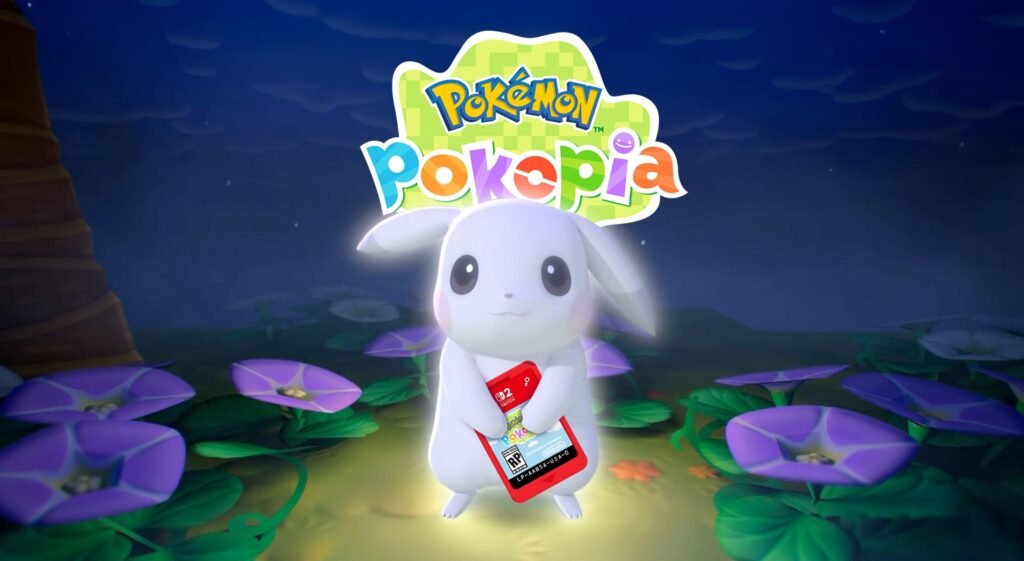
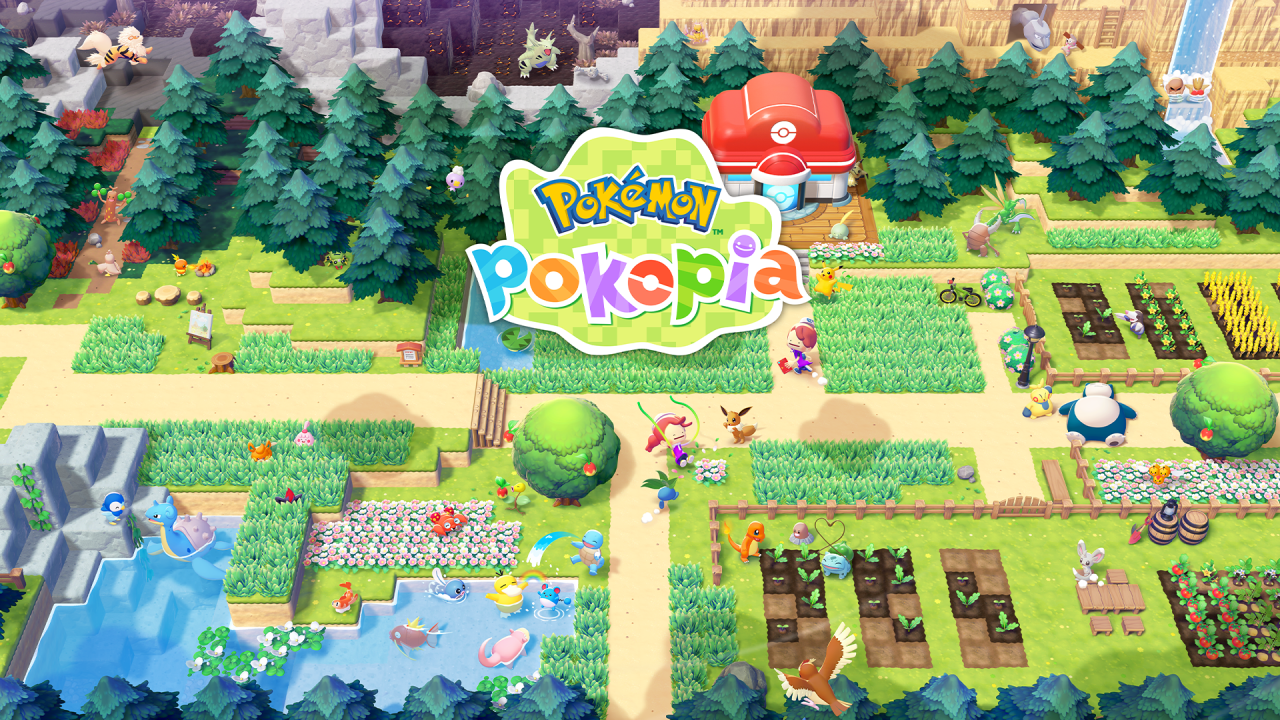

The video game industry is experiencing a massive paradigm shift toward titles that prioritize methodical progression and relaxing atmospheres. For players who grew up grinding in classic MMOs or managing modern cozy life-sims, Pokémon Pokopia is a watershed moment. Released on March 5, 2026, as a Nintendo Switch 2 exclusive, this title completely deconstructs the traditional monster-catching formula established over the last thirty years.
This isn’t a simple spinoff designed to cash in on brand recognition. It is a massive, complex voxel-based sandbox that demands meticulous habitat management. This guide breaks down the mechanical realities, the architectural grind, and the commercial requirements you need to understand before you buy.
A Post-Apocalyptic Kanto: The Radical Evolution of the Pokémon Formula
Waking Up in the Ruins of Fuschia City
Pokopia discards the bustling, optimistic regions of mainline titles for a post-apocalyptic universe. A catastrophic, unexplained event has erased humanity, leaving behind a withered wasteland where Pokémon are the sole inheritors of the earth.
Your journey begins in the half-demolished ruins of Fuschia City, anchoring the experience in deep Kanto nostalgia. Guided by a lone Tangrowth, your primary objective is a massive, methodical environmental restoration.
- Environmental Storytelling: The overarching map is exceptionally large and densely packed with Easter eggs reflecting the lost human civilization.
- Tactile Discovery: Unearthing human artifacts—like rusted bicycles or decayed infrastructure—triggers charming scenes where wild Pokémon attempt to guess the original purpose of these relics.
The Ditto Paradigm: Rethinking Traversal and Terraforming
To navigate this post-human world without breaking the lore, you do not play as a human trainer. You play as a Ditto. Awakening in the wasteland, your character utilizes its Transform ability to mimic the half-remembered form of a former human.
Because you are inherently a Pokémon, you possess the biological capacity to learn and execute the physical moves of other creatures. This drastically changes how you interact with the environment.
- Reimagined HMs: Legacy Hidden Machines (like Surf and Rock Smash) are no longer utilized as utilitarian progression gates.
- Dynamic Terraforming: These classic moves are now powerful sandbox tools. Rock Smash allows you to break down massive geological formations to harvest resources, while Surf lets you physically transform into a Lapras to cross vast oceans and discover new biomes.
The Architecture of the Grind: Melding MMO Progression with Cozy Simulation
Real-Time Mechanics and the 24-Hour Cycle
Progression in Pokopia deliberately mirrors the time-gated mechanics of classic MMOs and modern life-sims. The game operates on a persistent, real-world 24-hour clock complete with dynamic weather shifts.
This system actively discourages unhealthy binge sessions. If you want to encounter a nocturnal species like Hoothoot, you must explore or build during the actual night cycle. This creates a sustainable, daily gameplay loop that respects the player’s time.
Voxel Construction and the Agricultural Economy
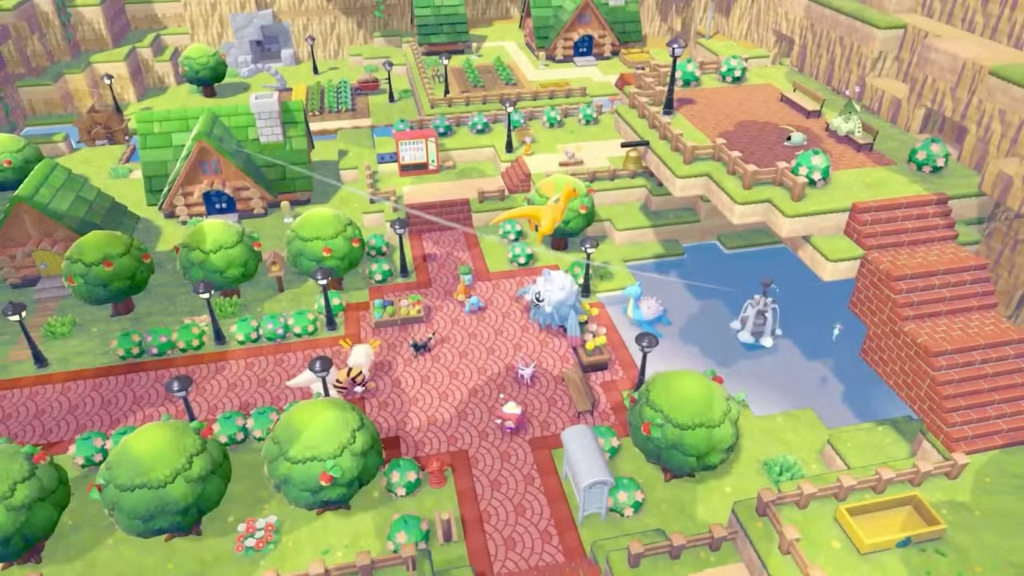
Building your utopia requires heavy manual labor. Players must physically break down the voxel environment using transformed abilities to harvest wood, stone, and elemental resources. These materials feed into a multi-tiered crafting economy used to produce furniture, building blocks, and highly specialized habitat components.
The game also features a robust agricultural system that appeals directly to fans of farming simulators. You will manually till fields and grow crops, which are essential for cooking meals that increase wild Pokémon affinity. The repetitive satisfaction of this resource collection is deeply soothing, reminiscent of classic MMO gathering professions like mining or herbalism.
A minor warning: The blueprint system for large structures currently has slight interface friction. The 2D preview icon makes it difficult to visualize how massive buildings align with uneven terrain before you commit your hard-earned resources.
Cultivating an Ecosystem: Attracting 300 Species
Psychology over Capture: Building Specific Habitats
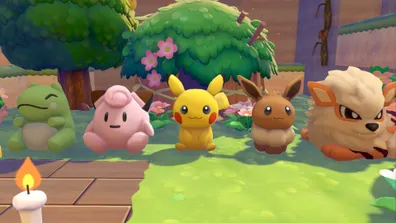
Pokopia features a curated roster of 300 unique Pokémon spanning Generations I through IX. However, you don’t catch them with Pokéballs; you attract them through architectural psychology.
To log a species in your Pokédex, you must build habitats tailored to their specific biological and psychological needs. Attracting a Ghost-type requires crafting a rare “Grave Offering” in the correct atmospheric biome. Meanwhile, Fighting-types might only appear if you place a punching bag immediately adjacent to a park bench.
Managing Comfort Levels and Local Integration
Once a Pokémon moves in, retention becomes the core gameplay loop. Each resident has a hidden “Comfort Level” metric dictated by their unique personality and dietary preferences. You must craft specific beds, provide preferred toys, and manage localized humidity levels to keep them happy.
The AI is remarkably expressive. You might encounter a wandering Charizard acting like a confident “huge bro,” or a highly regal Vespiquen. Fulfilling their localized requests unlocks new architectural blueprints and pushes the narrative forward. Keep an eye out for timeline-exclusive regional oddities as well, like the overgrown flora-covered “Mosslax”.
The Modern Social Hub: Multiplayer Architecture
The Three Tiers of Connectivity
Pokopia introduces a layered approach to multiplayer, echoing the bustling capital cities of classic MMOs. The system operates on three distinct tiers designed to accommodate different social playstyles: Link Play (local co-op), Palette Town, and Cloud Island.
- Palette Town: This functions as the primary public hub server. Up to 64 players can gather here to trade resources, showcase rare Pokémon companions, and form exploration parties for high-tier resource gathering.
- Cloud Island: Designed for dedicated groups, this feature allows up to 8 friends to co-own a persistent, instanced island. You can pool resources to construct massive, collaborative architectural projects without space restrictions.
The GameShare Ecosystem and Economic Protection
To lower the barrier to entry, Nintendo implemented the robust “GameShare” ecosystem. This feature allows friends who do not own the full game to join your world as “Visitors” via a free, lightweight downloadable client.
To protect your meticulously crafted economy from griefing, Visitor interactions are heavily restricted.
- Visitors cannot destroy environmental blocks, harvest rare crops, or alter your blueprints.
- Any items dropped or traded by Visitors are automatically routed to a secure “Lost and Found” bin. This ensures your island’s aesthetic and resource economy remain entirely under your control.
Commercial Realities: Hardware, Editions, and Pricing
Nintendo Switch 2 Exclusivity and Storage Requirements
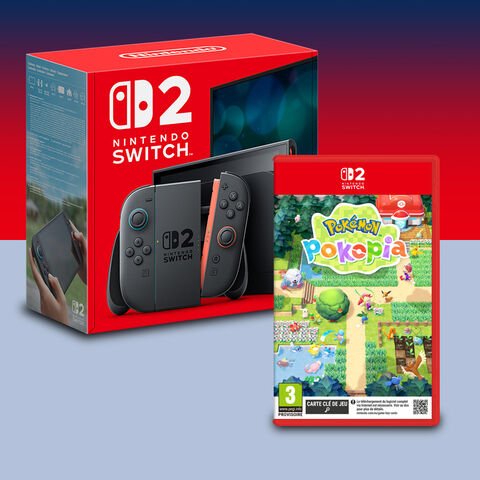
Pokopia is built exclusively from the ground up for the Nintendo Switch 2. It utilizes the console’s upgraded processing architecture to render massive, seamless voxel environments without loading screens. It will not run on the original Nintendo Switch hardware.
Buyers must also prepare their hardware for installation. Even if you purchase a physical copy, the game requires a mandatory installation of 10GB of internal storage. Ensure you have adequate SSD space or a compatible MicroSD card ready before making your purchase.
The “Game-Key Card” System and Market Availability
Nintendo is using Pokopia to debut its controversial new physical DRM: the “Game-Key Card.” Physical cartridges now contain a unique, one-time-use cryptographic chip that permanently ties the physical media to your specific Nintendo account upon first insertion. This effectively eliminates the traditional second-hand resale market for the game.
However, the monetization model is remarkably consumer-friendly.
- Flat Pricing: The game retails for a standard $69.99 USD on Amazon and Nintendo EShop.
- No Predatory Tactics: There are zero microtransactions, premium currency shops, or staggered “Deluxe Edition” early access periods. Your initial purchase guarantees the complete, uncompromising experience.